Last week’s newsletter on alcohol caused more reaction than I expected.
The reach. The comments. The private messages.
It clearly struck a nerve, particularly with people operating under pressure who recognised themselves somewhere in the piece.
So before we go any further, spoiler alert …
I do drink alcohol.
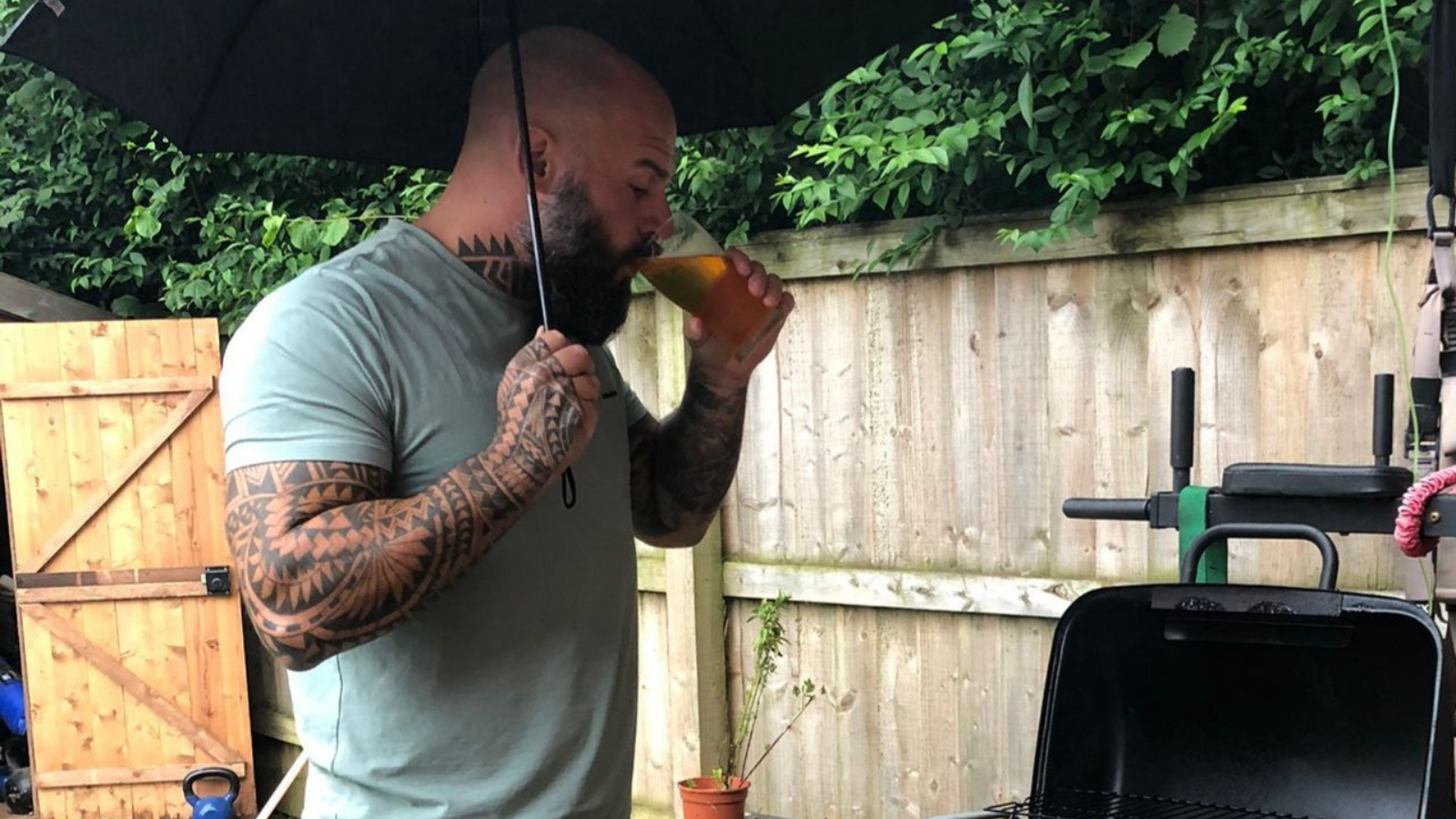
This weekend I had two beers. Saturday afternoon, after climbing with the family. Pizza and beer. Enjoyed it. Moved on.
That’s moderation. That’s enjoyment. That’s life.
What I’m not talking about is two beers turning into four, then another drink at home, then a bottle of wine on Sunday, followed by “Monday doesn’t really count”, and suddenly it’s Tuesday with a client meeting and another few drinks because that’s just how business is done.
That’s not enjoyment. That’s habit.
And that leads to the real question I didn’t ask last time.
Why are you drinking?
Not socially. Not occasionally.
But habitually.
I’m not pretending I don’t drink – but it’s not habitual (anymore)
Alcohol is rarely the real issue.
It’s just the most socially acceptable coping mechanism in the room.
What sits underneath it is far more interesting.
Pressure. Responsibility. Cognitive load. Expectation.
So leaders reach for things that take the edge off.
A drink. Late-night food. Another takeaway. Another excuse not to train. Another reason to sit still because the back hurts or the hips feel stiff.
“Coping mechanisms don’t announce themselves as destructive. They just quietly become normal.”
When we work with high-performing individuals and leadership teams at Warrior Wellness Movement, we don’t tell people to stop drinking. That’s not the point.
We challenge behaviour. We ask better questions. We help people understand why certain habits exist and what role they’re playing under pressure.
Then we provide the tools, information, structure and support needed to thrive both personally and professionally.
This isn’t about giving things up. It’s about understanding moderation and replacing self-destructive coping mechanisms with strategies that actually support performance, health and longevity.
The uncomfortable truth is this.
Most high performers aren’t collapsing.
They’re functioning.
And functioning is often mistaken for fine.
But functioning comes at a cost when habits are unmanaged.
Poor sleep. Weight creeping up. Energy flattening. Aches and pains becoming identity statements. Blood pressure quietly rising without anyone noticing.
Hypertension is called the silent killer for a reason.
You don’t feel it. Until you do.
Here’s the part most people avoid.
With the financial stakes so high in the businesses you run, lead or work within, how long can you realistically keep going like this?
How long before:
- Decision-making dulls
- Emotional control shortens
- Recovery takes longer
- Presence fades
- Performance becomes inconsistent
Not because you’re incapable. But because you’re carrying too much for too long without addressing the foundation.
“Most people don’t fail under pressure. They slowly erode under it.”
This is where the excuses creep in.
“My back won’t let me train.” “My hips are just stiff now.” “I haven’t got time.” “I deserve a drink.” “This is just part of the job.”
None of those statements are solutions.
They’re avoidance dressed up as realism.
Leadership is not about image.
It’s about example.
And at some point, the gap between how you operate and how you expect others to operate becomes obvious.
To them. And eventually to you.
“If you’re not willing to address your own habits, don’t be surprised when performance becomes fragile.”
This isn’t about perfection. Or abstinence. Or restriction.
It’s about honesty.
About asking better questions.
About recognising when coping mechanisms have quietly replaced recovery.
And about deciding whether the way you’re operating now is actually sustainable for the next five or ten years.
If this landed uncomfortably, that’s usually a sign it matters.
If you want to explore what sustainable health and performance actually looks like under pressure, visit www.warriorwellnessmovement.com.
Chat soon, Ollie
#LeadershipUnderPressure #ExecutiveHealth #SustainedPerformance #DecisionMaking #HumanPerformance