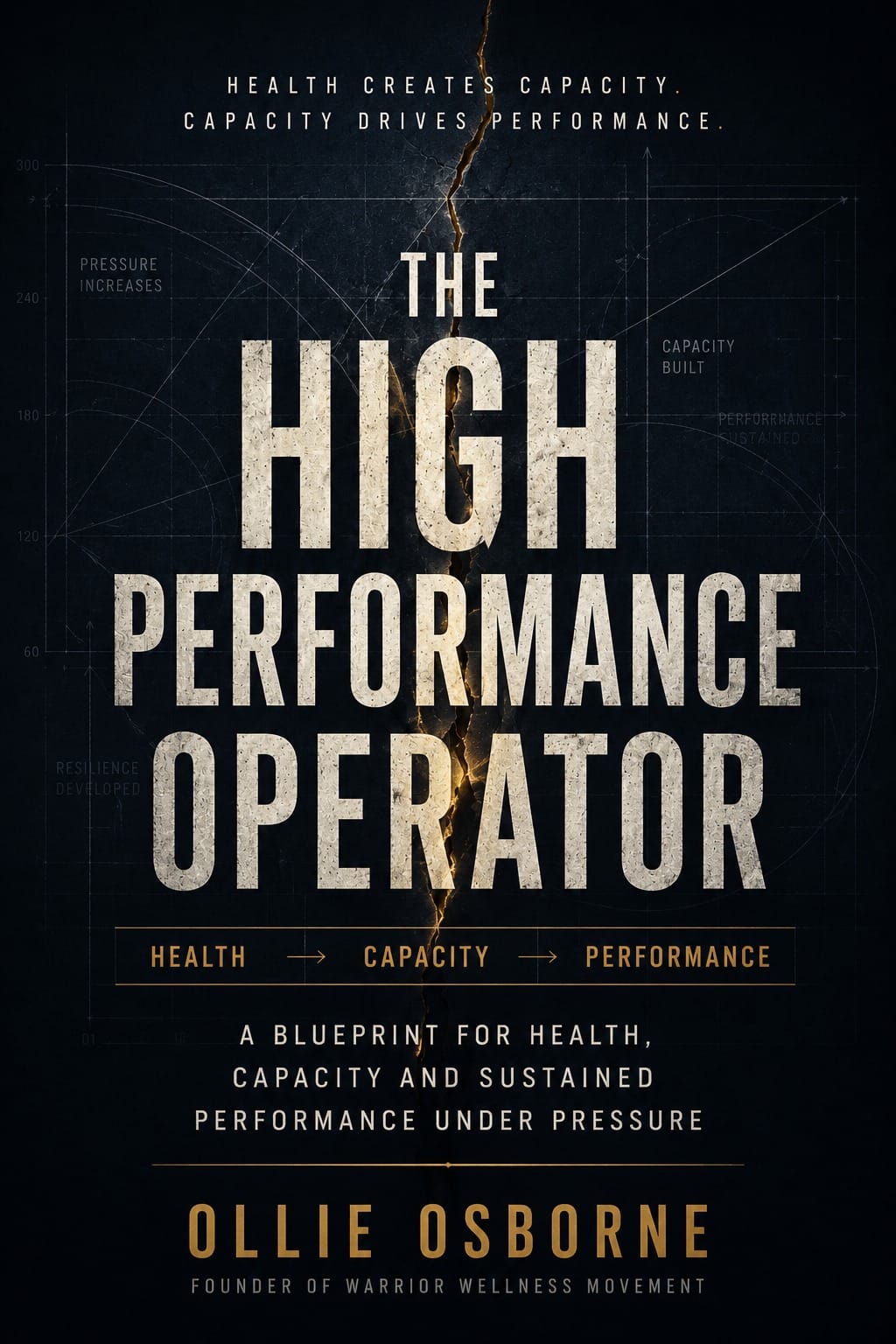
2013 Indoor Rowing World Championships. USA.
1630 local time.
I remember it clearly.
The noise. The intensity. The pressure of it all.
And then the last 500 metres.
I was sitting in fourth.
Just outside the medals.
The current world champion was ahead of me in bronze position and I made a decision.
I was going.
I launched everything I had.
Closed the gap. Started to move.
For a few hundred metres it felt like it might actually work.
Then it didn’t.
I hit the wall properly.
Not the usual kind. Not fatigue you can push through.
This was different. I was in trouble.
Everything just started shutting down.
I limped through the line in fifth.
And then I collapsed.
Next thing I remember, paramedics.
Oxygen mask.
Blood oxygen saturation levels had dropped dangerously low. 86% when we reviewed the data.
It was serious.
At the time, I put it down to one thing.
I’d pushed too hard. It was my secret weapon, my ability to bury myself deeper then anyone else in the room.
But looking back now, that wasn’t the problem.
The problem started long before that race.
Twelve+ months before.
The training itself wasn’t the issue.
That was structured. Periodised. Progressive.
I could handle that.
That’s what I was built for.
What I didn’t manage properly was everything else.
Workload. Stress. Parenthood. Commuting. Responsibility. Leadership. Pressure. Stress.
All sitting in the background.
Constant.
On paper, things looked fine.
Training was on point. Nutrition was good. Hydration was solid.
But sleep wasn’t where it should have been.
Recovery wasn’t where it should have been.
And mentally, I was carrying far more than I realised at the time.
I was burning through my body budget without topping it back up.
For a long time.
“The collapse didn’t happen in the race. It happened in the months leading up to it.”
That’s the part most people miss.
They see the moment.
The collapse. The failure. The performance.
They don’t see the build-up.
And this is where it becomes relevant.
Because this isn’t about rowing.
This is exactly what I now see with senior leaders and executive teams.
High performers.
Capable people.
Operating under constant pressure.
On the surface, everything looks fine.
They’re still delivering.
Still leading.
Still showing up.
But underneath, it’s a different story.
Sleep isn’t optimal.
Stress is constant.
Cognitive load is high.
Recovery is inconsistent.
And it builds.
Quietly.
Until one moment exposes it.
A poor decision. A breakdown. Burnout. Health issue.
Or in my case, a collapse on a world stage.
“You don’t burn out in the moment. You burn out in the build-up.”
If I knew then what I know now, it would have been different.
Not in terms of effort.
But in how I managed everything around it.
Because performance isn’t just about how hard you push.
It’s about how well you recover.
And how well you manage the pressure that sits outside of the obvious.
That’s the difference.
And it’s the gap most people ignore.
So it’s worth asking yourself.
Are you actually performing at your best…
Or are you just holding it together?
Chat soon, Ollie
#ElitePerformance #WorldChampionships